
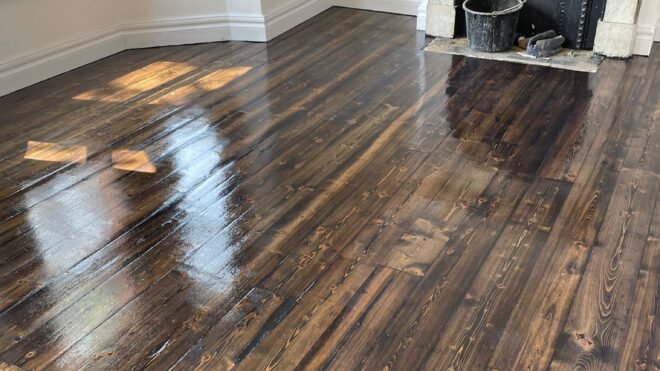
How Does Dustless Floor Sanding Work?
Dustless floor sanding has revolutionized the way we restore and maintain wooden floors. Traditional sanding methods were notorious for their dusty aftermath, leaving behind a cloud of fine particles that settled on every surface and invaded the air we breathe. With the advent of dustless floor sanding, however, this age-old problem has been effectively addressed, ensuring a cleaner, healthier, and more efficient sanding process.
Dust containment plays a crucial role in floor sanding, as it not only eliminates the hassle of extensive cleanup but also offers numerous benefits for both professionals and occupants. By understanding how dustless floor sanding works and the significance of dust containment, you can make an informed decision when it comes to restoring your wooden floors.
Dustless floor sanding involves using specialized sanding equipment equipped with a vacuum system which extracts dust particles while the sanding process is taking place. This vacuum system is integrated into the sanding equipment, capturing the dust at its source and preventing it from dispersing into the surrounding environment. The result is a remarkably cleaner and healthier sanding experience.
The importance of dust containment in floor sanding cannot be overstated. Here are a few key reasons why it matters:
-
Improved Air Quality:
Traditional sanding methods released copious amounts of dust into the air, which could linger for hours or even days. Dustless floor sanding significantly reduces airborne dust, leading to better air quality during and after the sanding process.
-
Health Benefits:
Dust particles generated during sanding can pose respiratory health risks to both professionals and occupants. By eliminating airborne dust, dustless floor sanding creates a safer and healthier environment for everyone involved.
-
Clean and Efficient Work Environment:
Dustless floor sanding minimizes the need for extensive cleanup, as the majority of the dust is effectively captured during the sanding process. This saves time, reduces labor, and creates a more efficient work environment.
In the following sections, we will delve deeper into the traditional floor sanding methods and their limitations, introduce you to the concept of dustless floor sanding, explore the specialized equipment used in this process, and highlight the advantages and considerations associated with dustless floor sanding.
Traditional Floor Sanding Methods
Traditional floor sanding involves the use of various types of sanding equipment to remove the old finish and smooth the surface of the floor. The primary equipment used includes belt sanders, drum sanders, and edgers. These tools are effective at removing layers of finish and leveling uneven surfaces, preparing the floor for refinishing.
One significant drawback of traditional floor sanding methods is the lack of effective dust containment. When using just the standard belt sanders, drum sanders, and edgers, a large amount of dust is generated during the sanding process. Unfortunately, this dust tends to spread throughout the surrounding environment, causing a mess and posing potential health risks.
The dust particles generated during traditional floor sanding can have several negative impacts. Here are some of the issues caused by the escape of dust particles:
-
Air pollution:
The airborne dust particles can significantly reduce air quality, leading to respiratory problems for both occupants and professionals working on the sanding project.
-
Health hazards:
Inhaling the fine dust particles can be harmful to the respiratory system and may cause allergies, asthma, or other respiratory conditions. Additionally, the dust can contain harmful chemicals from the old finish, posing a risk to health.
-
Cleaning difficulties:
The dust particles settle on various surfaces in the vicinity, making cleaning a challenging and time-consuming task. It can spread to furniture, curtains, and other belongings, requiring extensive cleaning efforts to remove.
-
Potential damage:
Dust particles can also interfere with the newly applied finish, causing imperfections and compromising the overall quality of the refinishing job.
While traditional sanders may come with dust bags or collection systems, they are often not as effective in containing the dust compared to the specialized vacuum-based systems used in dustless floor sanding. These traditional sanders with dust bags provide some reduction in airborne dust but may not achieve the same level of containment as the dedicated dustless sanding equipment.
Introduction to Dustless Floor Sanding
Dustless floor sanding is a modern and innovative approach to wood floor refinishing that aims to minimize the generation and spread of dust particles during the sanding process. It involves the use of specialized sanding equipment fitted with a highly efficient vacuum system that extracts dust as it is produced, resulting in a cleaner and healthier environment.
The primary purpose of using specialized sanding equipment in dustless floor sanding is to ensure effective dust containment and extraction during the sanding process. These specialized sanders are designed with integrated vacuum systems, creating a powerful suction force that captures dust particles immediately, preventing them from escaping into the air and settling on surrounding surfaces.
Benefits of dustless floor sanding
Dustless floor sanding offers several benefits compared to traditional sanding methods. Here are some key advantages:
-
Cleaner and healthier environment:
By significantly reducing airborne dust, dustless floor sanding helps maintain a cleaner and healthier environment during the refinishing process. It minimizes the need for extensive cleaning afterward and reduces the risk of respiratory issues caused by dust inhalation.
-
Time and cost savings:
Dustless floor sanding can save both time and money. Since there is less dust to clean up, the overall cleaning process becomes faster and more efficient. Additionally, the reduced cleaning time translates into cost savings, as fewer labor hours are required.
-
Convenience and ease of use:
The specialized sanding equipment used in dustless floor sanding is designed to be user-friendly and efficient. The integrated vacuum systems eliminate the need for manual cleaning and reduce the hassle of dealing with dust-related issues, making the sanding process more convenient and streamlined.
-
Improved finish quality:
By minimizing the presence of dust particles during the sanding process, dustless floor sanding helps achieve a higher-quality finish. The absence of settled dust means a smoother surface, resulting in a more even and professional-looking floor.
Equipment Used in Dustless Floor Sanding
Dustless floor sanding requires the use of specialized sanding equipment that is designed to integrate with a vacuum system for effective dust containment.
Here are the key components of the equipment:
-
Sanding Machine
: The sanding machine used in dustless floor sanding is equipped with a dedicated canister that serves as a collection point for the extracted dust. This canister is specifically designed to work in conjunction with the vacuum system, ensuring efficient dust capture.
-
Vacuum System
: A lengthy vacuum hose is connected to the motor of the sanding machine, enabling the extraction of dust particles as soon as they are generated. The vacuum system creates a powerful suction force, enhancing the efficiency of dust collection. This integration guarantees a high level of dust containment, with up to 99% of dust being captured during the sanding process.
Vacuum system integration and its functionality
The integration of the vacuum system in dustless floor sanding equipment plays a crucial role in its functionality and effectiveness. Here’s how it works:
-
Dust Extraction:
As the sanding machine is operated, the vacuum system immediately extracts dust particles, preventing them from becoming airborne and settling on surrounding surfaces. The continuous extraction ensures a cleaner and dust-free environment during the sanding process.
-
Enhanced Suction Power:
The integration of the vacuum system significantly enhances the suction power of the sanding equipment. This increased suction power allows for more efficient and thorough dust collection, resulting in better dust containment and a higher-quality finish.
Features of dustless sanders
Dustless sanders, specifically designed for dust containment, offer several features that contribute to their effectiveness in minimizing airborne dust. Here are some notable features:
-
Sealed Dust Canister:
The dust canister in dustless sanders is designed to be fully sealed, preventing any dust from escaping into the air. This ensures that the extracted dust is securely contained within the canister, maintaining a clean and dust-free environment.
-
Efficient Filtration System:
Dustless sanders are equipped with advanced filtration systems that capture even the smallest dust particles. These systems effectively filter the extracted dust, preventing it from being released back into the environment.
-
Adjustable Sanding Speed:
Many dustless sanders offer adjustable sanding speed settings, allowing operators to customize the sanding process according to the specific requirements of the floor. This feature ensures optimal results while maintaining efficient dust containment.
Process of Dustless Floor Sanding
Preparing the area for dustless sanding
Before beginning the dustless floor sanding process, it is important to prepare the area properly. Here are the key steps involved:
-
Clearing the Space:
Remove all furniture, rugs, and other objects from the area to be sanded. This ensures that the surface is free from any obstacles and allows for unrestricted access during the sanding process.
-
Covering Surfaces:
Use protective coverings or plastic sheets to protect adjacent areas, walls, and fixtures from dust and potential damage during the sanding process. This helps contain the dust and prevents it from spreading to other parts of the room.
Sanding techniques and equipment operation
Dustless floor sanding involves specific techniques and the proper operation of the equipment. Here’s an overview of the sanding process:
-
Coarse Sanding:
Begin with a coarse-grit sandpaper to remove the old finish, scratches, and imperfections from the wood surface. The sanding machine should be moved in a slow and controlled manner, following the grain of the wood, to ensure an even and consistent sanding.
-
Intermediate Sanding:
Gradually progress to finer grit sandpapers to achieve a smoother surface. Repeat the sanding process, gradually reducing the grit size, until the desired smoothness is achieved.
-
Edge Sanding:
Use specialized edge sanders to sand the hard-to-reach areas along the edges and corners of the floor. These sanders are designed to provide precision and control in tight spaces.
-
Detail Sanding:
For intricate or delicate areas, hand sanding or the use of smaller sanding tools may be required to ensure proper sanding and finish.
Dust containment and extraction during sanding
The primary objective of dustless floor sanding is to minimize the release of airborne dust. Here’s how dust containment and extraction are achieved during the sanding process:
-
Vacuum System Operation:
The integrated vacuum system in the sanding equipment immediately extracts the dust generated during sanding. The vacuum creates a powerful suction force, capturing the dust particles and directing them into the dedicated canister.
-
Dust Collection Canister:
The dust collection canister, connected to the vacuum system, securely collects the extracted dust. It is important to ensure that the canister is properly sealed to prevent any dust from escaping back into the environment.
-
HEPA Filtration:
High-Efficiency Particulate Air (HEPA) filters are often used in dustless sanding equipment. These filters are highly effective in capturing even the smallest dust particles, ensuring clean air during the sanding process.
-
Regular Emptying of Dust Canister
: To maintain the efficiency of dust collection, it is necessary to regularly empty and clean the dust collection canister. This prevents clogging and ensures optimal performance.
By following these steps and employing dustless floor sanding techniques, professionals can achieve a high-quality finish while keeping the work environment clean and minimizing the health risks associated with airborne dust.
Factors To Consider Before Opting For Dustless Sanding
Before deciding to use dustless floor sanding, it is essential to consider the following factors:
-
Project Size:
Dustless floor sanding is particularly beneficial for larger projects that involve sanding a significant area. For smaller projects or areas that are harder to reach, alternative sanding methods, such as dust bag sanders, may be more suitable.
-
Allergies and Sensitivities:
If you or anyone in the household has allergies or respiratory sensitivities, dustless floor sanding can greatly minimize the exposure to airborne dust particles, providing a healthier environment during and after the sanding process.
-
Professional Expertise:
While dustless floor sanding can be a DIY project, it is recommended to hire experienced professionals who are familiar with the specialized equipment and techniques involved. Professionals can ensure proper execution and deliver optimal results.
By understanding the limitations and considering these factors, you can make an informed decision about whether dustless floor sanding is the right choice for your specific needs.